
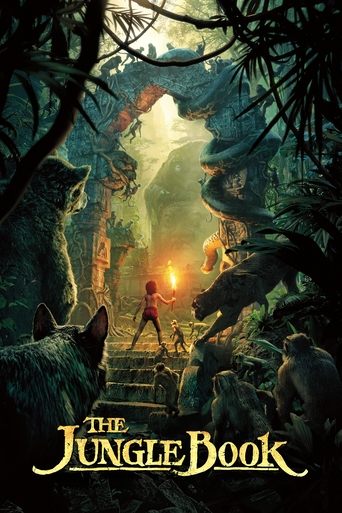
 2016★ 6.9The Jungle BookAdventure, Family
OpenloadMovies
183 films, each with its cast, its rating and a Watch now button.
 Wonder2017 · Movie
 Lion2016 · Movie
 Hugo2011 · Movie
 Paddington2014 · Movie
New releases
36See all2016★ 6.9The Jungle BookAdventure, Family 2016★ 6.8Star Trek BeyondAction, Adventure
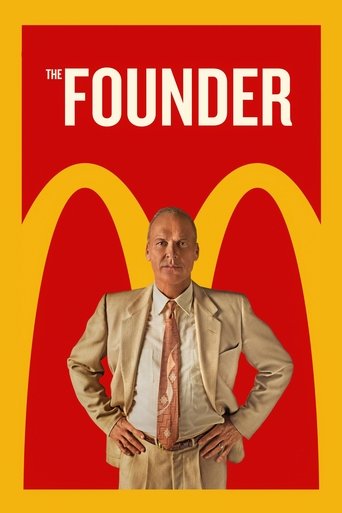 2016★ 7.2The FounderDrama, History
 2017★ 7.2Everything, EverythingDrama, Romance
 2016★ 6.3The BFGAdventure, Family
 2017★ 7.6A Dog's PurposeAdventure, Fantasy
 2017★ 6.5Pitch Perfect 3Music, Comedy
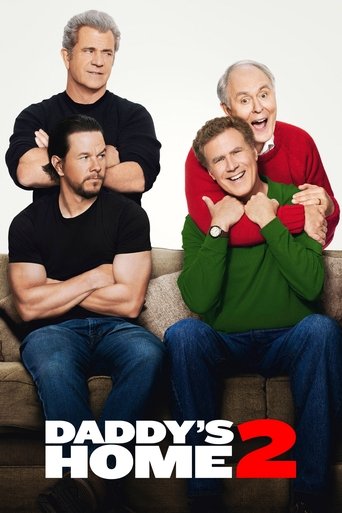 2017★ 6.3Daddy's Home 2Comedy
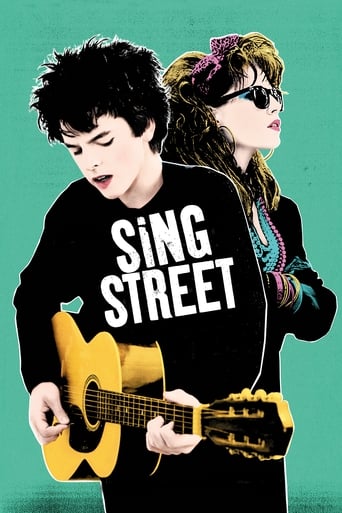 2016★ 7.9Sing StreetRomance, Drama
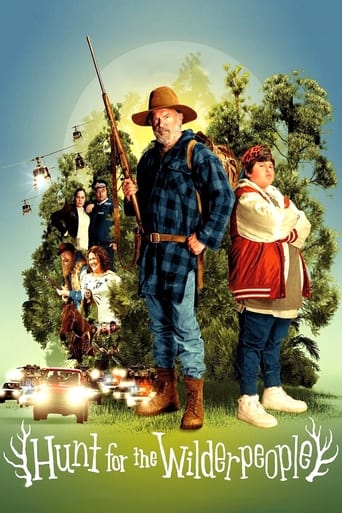 2016★ 7.6Hunt for the WilderpeopleAdventure, Comedy
Most popular
183See all 2010★ 7.4The Social NetworkDrama
 2013★ 7.2The Secret Life of Walter MittyAdventure, Comedy
 2015★ 6.8CinderellaRomance, Fantasy
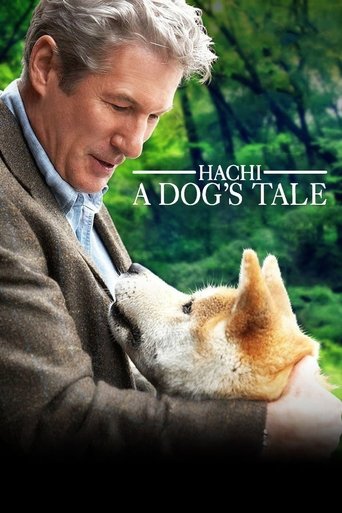 2009★ 8.0Hachi: A Dog's TaleDrama, Family
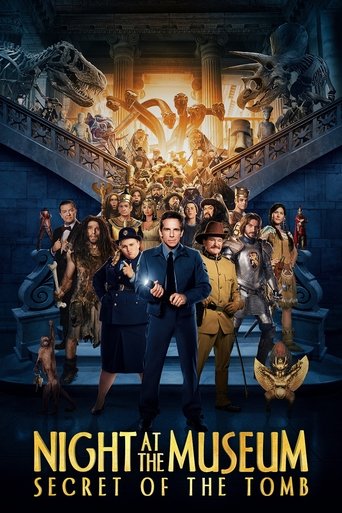 2014★ 6.2Night at the Museum: Secret of the TombAdventure, Comedy
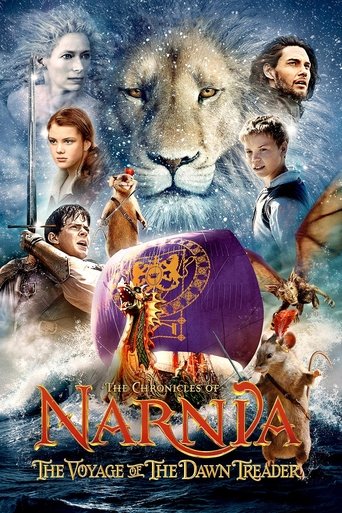 2010★ 6.4The Chronicles of Narnia: The Voyage of the Dawn TreaderAdventure, Family
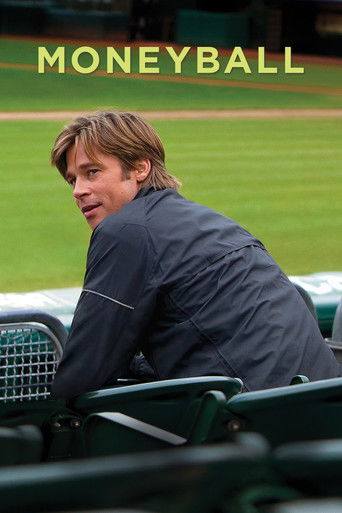 2011★ 7.3MoneyballDrama
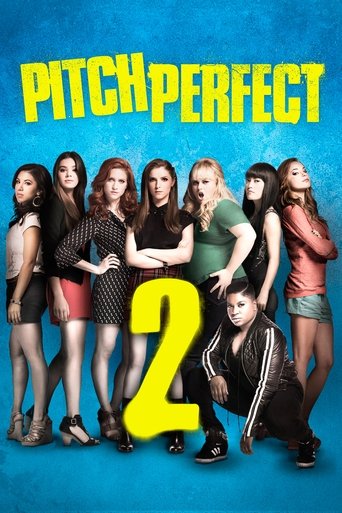 2015★ 6.8Pitch Perfect 2Comedy, Music
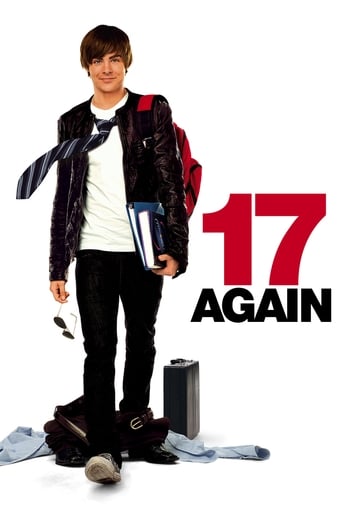 2009★ 6.317 AgainComedy, Fantasy
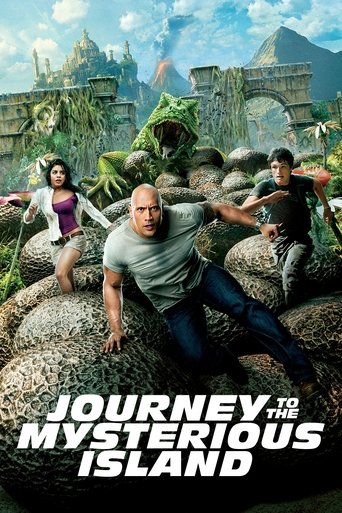 2012★ 6.2Journey 2: The Mysterious IslandAdventure, Action
Japanese
26See all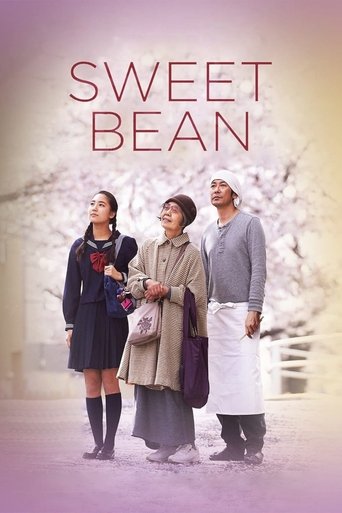 2015★ 7.5
 1999★ 7.5
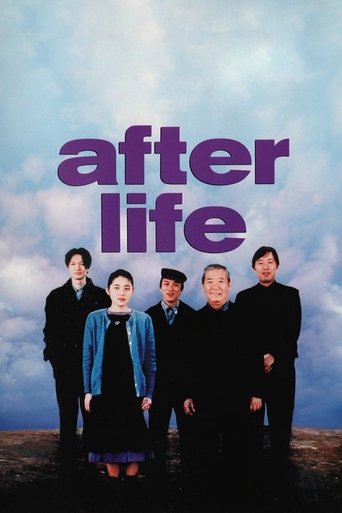 1999★ 7.2
 1995★ 7.8
 2004★ 7.1
Korean
22See all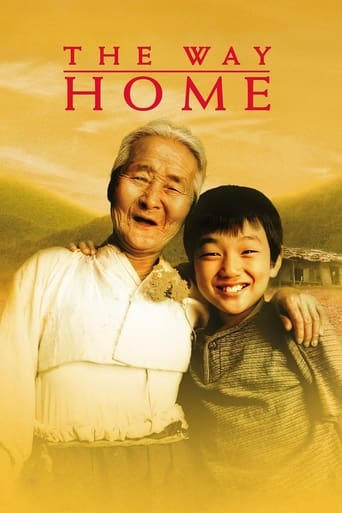 2002★ 8.0
 2003★ 7.6
 2016★ 7.2
 2012★ 7.7
 2012★ 7.3
True stories
26See all 2015★ 6.8
 2015★ 6.6
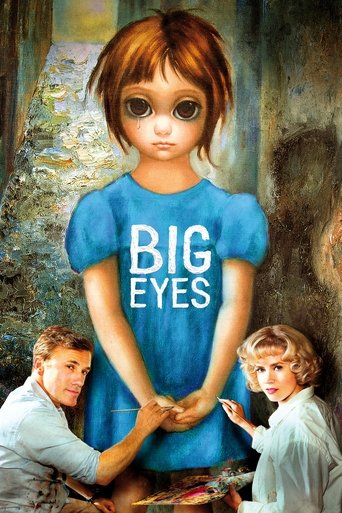 2014★ 7.0
 2011★ 6.8
 2013★ 6.1
The OpenloadMovies guide
OpenloadMovies: movies from 2009 to 2017 and world cinema by country, from The Social Network, Hugo and Paddington to Wonder, Lion, Sweet Bean and The Way Home
OpenloadMovies is a film guide with two ways of sorting: by year and by country. It lists 183 films. One hundred and thirty-two are English-language releases from 2009 to 2017, and fifty-one are films from Japan, Korea and China, some recent and some much older. Each has a page with its cast, its rating, a summary and a single Watch now button. Taken together the films run for about 328 hours.
The nine years of English-language cinema covered here began with Up in the Air and Julie & Julia and ended with Wonder and Goodbye Christopher Robin. They were years in which true stories filled the screen, classic children's books were filmed afresh, and small films from Ireland and New Zealand found audiences round the world. The country lists add a second dimension: the gentle comedies of Japan, the family dramas of Korea, and three films from China. Every title was screened by hand for a family audience.
This guide follows the home page from top to bottom, then takes each country, genre and year list in turn, and finishes with practical answers. The short version is on the page named How to watch with OpenloadMovies.
How OpenloadMovies works
The page has a black header and a slate-grey body. The logo, a blue ring with a play mark, stands at the left; the menu runs beside it and the search box closes the row. The menu reads Home, New Releases, Featured, English, Japanese, Korean, True Stories and A-Z.
Under the heading, four wide stills form the featured strip. Five modules follow, each with a blue rule at its head, a count and a See all button: New releases, Most popular, Japanese, Korean and True stories. The posters stand five to a row, with the year in a blue tag at the top corner and a yellow star score at the bottom. Three dark panels headed Country, Genre and Year come next, listing sixteen collections with their counts.
A film page gives the poster, the year, the running time, the score out of ten, a summary, the cast with their roles, the director and the studio. Beside the Watch now button is a selector with sixteen countries, Japan and South Korea among them. Choose a country, press the button, and JustWatch shows the subscription, rental, purchase and free services that carry the film there. Finding a film describes the search box and the lists.
The featured strip
The four stills at the top of the home page introduce the range of the guide. The first is Wonder, from 2017, about a ten-year-old boy named Auggie who was born with a facial difference and, after years of lessons at home, starts at a school for the first time. Jacob Tremblay plays him, with Julia Roberts and Owen Wilson as his parents, and the film takes care to show the year from the point of view of his sister and his classmates too. It has the highest score in the guide at 8.1.
The second is Lion, the true story of Saroo Brierley, who at the age of five fell asleep on a train in India, woke a thousand miles from home and was later adopted by a couple in Tasmania. Twenty-five years on he traced his village using satellite maps. The third is Hugo, Martin Scorsese's adventure in a Paris railway station, and the fourth is Paddington, in which a small bear from Peru arrives in London with a suitcase, a hat and a label round his neck.
The strip changes the tone for the whole page: all four are films that children and adults can watch together and discuss afterwards. The featured guide lists the twenty-four highest-scoring films in the same spirit.
New releases
The first module shows the newest films, those of 2016 and 2017, and its list holds thirty-six. Family films lead it. Jon Favreau's The Jungle Book surrounds one young actor with animals and forest made entirely by computer. Steven Spielberg's The BFG gives Roald Dahl's giant the face and voice of Mark Rylance. Pete's Dragon moves an old Disney story to the forests of the Pacific Northwest, and A Dog's Purpose follows one dog through several lives.
The same two years were strong in true stories. The Founder has Michael Keaton as Ray Kroc, the salesman who turned a single California hamburger stand into a worldwide chain. Queen of Katwe, directed by Mira Nair, tells of Phiona Mutesi, a girl from a poor district of Kampala who became a chess champion. Eddie the Eagle cheers on Britain's lone ski jumper at the Winter Olympics of 1988, and The Man Who Knew Infinity follows the self-taught mathematician Srinivasa Ramanujan from Madras to Cambridge.
Smaller films are the pleasure of the list. Sing Street is set in Dublin in 1985, where a schoolboy starts a band to impress a girl and discovers he is good at it. Hunt for the Wilderpeople, by Taika Waititi, sends a city boy and his gruff foster uncle into the New Zealand bush with half the country searching for them. Maudie is the story of the Nova Scotia painter Maud Lewis, with Sally Hawkins in the part. The new releases guide sorts the list.
Most popular
The second module ranks the whole catalogue by audience, counted by the number of ratings each film has received. The Social Network leads, David Fincher's account of the founding of Facebook, written by Aaron Sorkin. The Jungle Book is second and The Secret Life of Walter Mitty third, the story of a daydreaming picture editor who finally sets out on a real journey across Greenland, Iceland and the Himalayas.
Wonder, Hugo and Kenneth Branagh's Cinderella, with Lily James, come next, followed by Hachi: A Dog's Tale, Star Trek Beyond, Lion and Night at the Museum: Secret of the Tomb, which takes the living exhibits of New York to the British Museum in London. Because the featured strip has already shown four of these, the module passes over them and fills its two rows with the titles that follow, so the page shows as many different films as it can.
The English list
The English list holds 132 films from 2009 to 2017. Its backbone is the well-made film for a general audience, a kind that these years produced in quantity. Chef, written and directed by Jon Favreau, follows a restaurant cook who loses his job, buys a food truck and drives it from Miami to Los Angeles with his young son. The Hundred-Foot Journey sets an Indian family's restaurant across the road from a celebrated French one in a village in the south of France, with Helen Mirren as the rival proprietor.
British cinema contributes a good deal. The Lady in the Van has Maggie Smith as the woman who parked in the playwright Alan Bennett's drive and stayed for fifteen years. Florence Foster Jenkins gives Meryl Streep the part of a New York heiress who loved singing far more than it loved her. The Second Best Exotic Marigold Hotel returns to Jaipur, The Bookshop opens a shop in an English seaside town in 1959, and Goodbye Christopher Robin looks at the family behind Winnie-the-Pooh.
American independent film is here as well: The Way Way Back, The Kings of Summer, Enough Said, Win Win, in which a small-town lawyer and wrestling coach takes in a gifted teenager, and Liberal Arts. The country lists page introduces all four lists.
The Japanese list
Twenty-six Japanese films form the second country list, and it reaches back furthest in time. Three are by Yasujiro Ozu, the master of the family drama: The Flavor of Green Tea Over Rice of 1952, the oldest film in the guide, Equinox Flower of 1958, his first in colour, and Late Autumn of 1960, in which three middle-aged friends decide to find husbands for a widow and her daughter and cause cheerful confusion. Ozu's camera sits low and still, and his stories turn on a look or a pause.
His successors are well represented. Hirokazu Kore-eda's After Life imagines a way station where the newly departed spend a week choosing the single memory they will keep, and his I Wish follows two brothers living in different cities who believe a wish will come true at the spot where two bullet trains pass. Naomi Kawase's Sweet Bean is about a pancake stall, its lonely manager and an old woman whose red bean paste changes his trade and his life. Takeshi Kitano, better known for sterner films, made Kikujiro, a summer road comedy about a gruff man escorting a small boy, and A Scene at the Sea, an almost wordless story of a deaf young man who teaches himself to surf.
The list has plenty of fun. Swing Girls turns a class of idle schoolgirls into a big band, and Linda Linda Linda gives four girls three days to learn three songs for the school festival. Kamikaze Girls makes friends of a girl devoted to frilly dresses and a girl devoted to her scooter gang. Survival Family switches off the electricity across Japan and sends one Tokyo household south by bicycle. The Japanese films guide groups the list by director.
The Korean list
The Korean list has twenty-two films from 2000 to 2016. Its best-loved title is The Way Home, which scores 8.0. A seven-year-old boy from Seoul, used to fried chicken and video games, is left for a summer with his grandmother, who lives in a mountain hut and speaks only through gestures. The film was made with villagers in place of professional actors, and it is dedicated to grandmothers everywhere.
First love is the list's favourite subject. The Classic has a student discover her mother's old letters and with them a romance of the 1960s that mirrors her own. Architecture 101 brings a woman to an architect's office to ask him to rebuild her family house, and the two remember the class where they met at twenty. One Fine Spring Day follows a sound recordist and a radio producer through a year, and Finding Mr. Destiny sets up an agency that tracks down people's first loves.
Comedy and history complete it. In The Foul King a timid bank clerk, played by Song Kang-ho, becomes a masked wrestler by night. Scandal Makers presents a radio host with a grown daughter and a grandson who arrive at his door unannounced. Masquerade places a humble entertainer on the throne as a double for a threatened king, and Marathon is the true story of a young man with autism and his mother's hope that he will run a full race. The Korean films guide sorts the list.
World cinema and the Chinese films
The fourth entry in the Country panel, World cinema, gathers the Japanese and Korean lists with three films from China, fifty-one in all. Two of the Chinese films are by Jia Zhangke, the chronicler of his country's rapid change. Still Life, which won the Golden Lion at Venice, follows two people searching for lost spouses in a river town that is being taken down before a great dam floods it. Mountains May Depart tells one family's story in three parts, set in 1999, 2014 and 2025. The third film, Monk Comes Down the Mountain, is a colourful martial arts tale directed by Chen Kaige.
Putting the lists together shows how much the three film cultures share: a patience with everyday life, a respect for the old, and a liking for food on the table. A viewer who enjoys Sweet Bean should try The Way Home next, and one who admires Late Autumn will recognise the same warmth half a century later in The Taste of Tea, in which each member of a country family is working through a small private trouble.
True stories
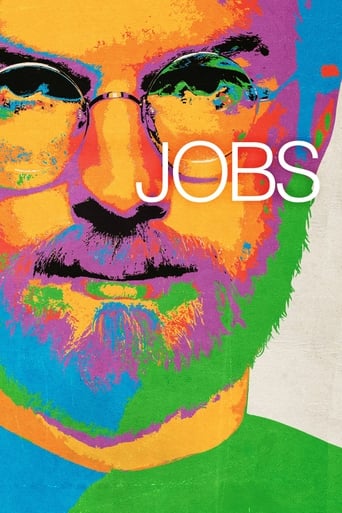
The last module on the home page and one of the header links lead to the true stories list, twenty-six films drawn from real people and events. Business has an unusually large share. The Social Network and Steve Jobs were both written by Aaron Sorkin, and the second is built as three acts, each set in the minutes before a product is unveiled. Jobs covers the same life in a more traditional way. Joy has Jennifer Lawrence as an inventor who sells her self-wringing mop on television, and Big Eyes, directed by Tim Burton, tells how the painter Margaret Keane reclaimed the credit for her own pictures.
Sport supplies another group. Moneyball is about baseball and arithmetic. Million Dollar Arm follows an agent who holds a contest in India to find cricketers able to pitch. McFarland, USA has Kevin Costner as a teacher who founds a cross-country team in a farming town in California, and Draft Day gives him a single tense day as the manager of a football club. The Damned United is the British entry, with Michael Sheen as Brian Clough.
Then there are the stories of endurance. The 33 recounts the sixty-nine days that Chilean miners spent underground in 2010. Big Miracle recalls the international effort to free three whales trapped by ice off Alaska. Temple Grandin, made for television with Claire Danes, portrays the scientist whose autism helped her understand how animals see the world, and it scores 7.9. The true stories guide arranges the list by field.
Comedy
The Genre panel begins with comedy, ninety-one films. The family comedies are the most numerous: Paddington, Mr. Popper's Penguins, Daddy's Home and its sequel, the Wimpy Kid series and Night at the Museum: Secret of the Tomb. The Muppets returned to the cinema in 2011 with new songs and an old theatre to save.
Comedy for adults tends to be gentle in this catalogue. Enough Said pairs Julia Louis-Dreyfus and James Gandolfini as two divorced parents making a cautious new start. The Rewrite sends a faded screenwriter, played by Hugh Grant, to teach at a college in upstate New York. Man Up begins with a woman who is mistaken for a stranger's blind date and decides to go along with it, and Hope Springs takes a long-married couple to a counsellor.
The country lists bring a different humour. Kamikaze Girls is brightly artificial, The Taste of Tea dreamy, and Cyrano Agency, from Korea, is about a company of out-of-work actors who stage elaborate scenes to help shy clients win the people they admire. The comedy guide sets the list out by kind.
Drama and romance
Drama is the largest genre list with 127 films, and romance has seventy-eight; many films appear in both. The literary adaptations are a highlight. Far from the Madding Crowd gives Carey Mulligan the part of Thomas Hardy's independent farmer and her three suitors. Bright Star, directed by Jane Campion, tells of the poet John Keats and Fanny Brawne. Love & Friendship turns an early Jane Austen story into a sharp comedy for Kate Beckinsale, and Austenland sends a devoted reader to a holiday resort where the Regency lives on.
Modern romances include One Day, What If, Like Crazy, The Longest Ride, The Best of Me and Everything, Everything. The Asian lists add Love Letter, in which a woman writes to the old address of her late fiancé and receives a reply, April Story, a short and tender film about a student's first weeks in Tokyo, and My Tomorrow, Your Yesterday, a romance with a secret in its calendar.
The quiet dramas reward patience. Maudie and The Lady in the Van are portraits of stubborn, original women. Genius is about an editor and a novelist, Radiance about a writer of descriptions for blind cinema-goers and a photographer who is losing his sight, and A Brand New Life about a girl of nine in a Korean orphanage in 1975. The drama and romance guide covers both lists.
Family
Forty-two films are listed for the family. Several retell classics with new tools: The Jungle Book, Cinderella, The BFG, Pete's Dragon, Gulliver's Travels and The Chronicles of Narnia: The Voyage of the Dawn Treader. Paddington belongs with them, since Michael Bond's bear had been loved in books for more than fifty years before he reached the screen.
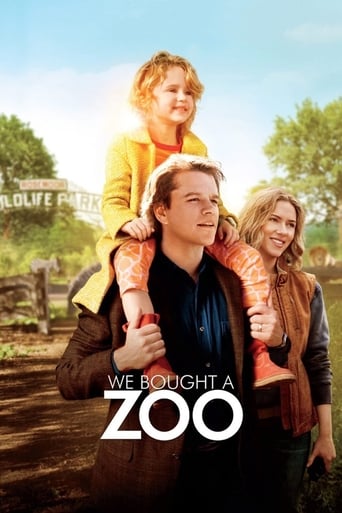
Animals are as popular as ever. Hachi: A Dog's Tale and A Dog's Purpose are for dog lovers with a handkerchief to hand. Dolphin Tale is based on the true story of a dolphin fitted with an artificial tail, We Bought a Zoo on that of a family who took over a country zoo, and Marmaduke gives a Great Dane the voice of Owen Wilson.
School is the third subject. Wonder has been described. The four Wimpy Kid films follow Greg Heffley from his first day of middle school to a chaotic family road trip. Middle School: The Worst Years of My Life is about a boy who sets out to break every rule in the handbook, and Ramona and Beezus brings Beverly Cleary's two sisters to life. The family guide sorts the list by subject.
Adventure
The adventure list has thirty-seven films and includes fantasy and science fiction. The journeys are the best of it. The Secret Life of Walter Mitty is a film about finally going. Hunt for the Wilderpeople turns a manhunt into a comedy of friendship. Journey 2: The Mysterious Island finds Jules Verne's island with a stepfather in tow, and Return to Nim's Island goes back to a girl's Pacific home.
Fantasy takes several forms. Hugo hides its magic in clockwork and old films. The Korean Vanishing Time: A Boy Who Returned is about a boy who disappears for a few days and comes back grown, with only one friend to believe him. The Odd Life of Timothy Green and In Your Eyes, in which two strangers on opposite sides of America find they can see through each other's eyes, are gentle American fables.
Space is represented by Star Trek Beyond, the liveliest of the recent Enterprise adventures, and by the Japanese The Whispering Star, a slow, beautiful film about a robot who delivers parcels between planets. The adventure guide lists them by kind.
Music
Seventeen films make up the music list. Bands come first: the Dublin schoolboys of Sing Street, the festival group of Linda Linda Linda, the jazz players of Swing Girls and the five students of Lemonade Mouth. Nana, from Japan, follows two young women with the same name who share a flat in Tokyo, one of them the singer of a rock group.
Voices are next. Pitch Perfect 2 and Pitch Perfect 3 continue the adventures of a college singing group that performs entirely unaccompanied. Ricki and the Flash, the last feature directed by Jonathan Demme, has Meryl Streep as a bar-band singer who goes home to her family. The Soloist is about a cellist, and Radio Rebel about a shy pupil who is secretly a popular radio host.
Dance completes the list with Step Up 3D, Step Up All In, Footloose and High Strung, in which a ballet student and a street violinist join forces. The music guide groups the seventeen.
The Year panel
The third dark panel sorts the catalogue by date in five lists. New releases, 2016 and 2017, has thirty-six films. The list for 2014 and 2015 has thirty-eight, among them Paddington, Cinderella, Chef, Big Eyes, Joy, Steve Jobs and Sweet Bean. The list for 2011 to 2013 has forty-four and includes Hugo, Moneyball, The Secret Life of Walter Mitty, The Way Way Back, Masquerade and Architecture 101.
The list for 2009 and 2010 has thirty-eight: The Social Network, Up in the Air, Julie & Julia, Flipped, Hachi: A Dog's Tale, Temple Grandin and The Young Victoria are among them. The final list, Before 2009, is different in kind. Its twenty-seven films all come from the country lists, and they run from Ozu's work of the 1950s to Scandal Makers of 2008, with Kikujiro, After Life, Love Letter, The Way Home and The Classic between. The years page links to all five.
Featured: the highest scores
The Featured link in the header opens the films that score 7.5 or higher from at least a hundred ratings, twenty-four in all. Wonder leads at 8.1. Four films share 8.0: Lion, Flipped, The Way Home and Hachi: A Dog's Tale. At 7.9 stand Swing Girls, Temple Grandin and Sing Street, and at 7.8 Love Letter and Maudie.
The rest of the list includes Late Autumn and Masquerade at 7.7 and Hunt for the Wilderpeople, A Dog's Purpose, The Longest Ride, The Classic, Linda Linda Linda and The Kingdom of Dreams and Madness at 7.6. That last title is the only documentary in the guide, a year spent inside the Studio Ghibli animation house while Hayao Miyazaki drew what he said would be his final film.
It is worth noticing how many of the twenty-four come from the country lists. Nearly a third are Japanese or Korean, though those lists make up little more than a quarter of the catalogue, which suggests that the films which travel abroad are those that audiences at home loved most.
Directors to follow
The search box reads directors' names, and several repay a search. Naomi Kawase has three films in the guide, Sweet Bean, Radiance and Still the Water, set on a southern island where two teenagers come of age beside the sea. Shunji Iwai also has three: Love Letter, April Story and Hana & Alice, a comedy of two inseparable friends and one bewildered boy. Shinobu Yaguchi made both Swing Girls and Survival Family, and Nobuhiro Yamashita Linda Linda Linda.
Among English-language directors, Jon Favreau is represented by the small Chef and the enormous The Jungle Book, made two years apart. Lasse Hallström directed Hachi: A Dog's Tale, The Hundred-Foot Journey and A Dog's Purpose. Rob Reiner made Flipped and And So It Goes, Cameron Crowe We Bought a Zoo, and Whit Stillman Love & Friendship. Kwak Jae-yong, a Korean director, made The Classic at home and Cyborg She in Japan.
Actors across the lists
A few performers recur often enough to be followed. Meryl Streep appears in Julie & Julia, Hope Springs, Ricki and the Flash and Florence Foster Jenkins, cooking, counselling, rocking and singing in turn. Amy Adams is in Julie & Julia, The Muppets, Trouble with the Curve and Big Eyes. Dev Patel leads both Lion and The Man Who Knew Infinity and returns to Jaipur in The Second Best Exotic Marigold Hotel.
Reese Witherspoon stars in Water for Elephants, How Do You Know and Home Again. Kevin Costner has Draft Day and McFarland, USA. Hugh Grant is in The Rewrite and Florence Foster Jenkins, and Felicity Jones in Chalet Girl and Like Crazy. In the Korean list, Gong Yoo leads Finding Mr. Destiny, and Son Ye-jin plays both mother and daughter in The Classic. In the Japanese list, the great Kirin Kiki is the heart of Sweet Bean and appears again in I Wish.
From page to screen
Many films in the guide began as books, and the range is wide. The children's shelf supplies Paddington, The BFG, The Jungle Book, Wonder, Mr. Popper's Penguins, Ramona and Beezus and the Wimpy Kid films. The classics supply Far from the Madding Crowd, Love & Friendship and Gulliver's Travels.
Memoirs and biographies stand behind the true stories: Lion is drawn from Saroo Brierley's own account, Julie & Julia from two memoirs at once, Eat Pray Love from a traveller's journal, and The Lady in the Van from Alan Bennett's diaries. Moneyball and The Social Network both come from works of reporting. Popular novels gave the cinema One Day, Water for Elephants, The Hundred-Foot Journey, The Longest Ride and Everything, Everything, and Japanese comics supplied Nana and Close Range Love.
Choosing by the time you have
The running time stands beside the year on every film page, and it is a sensible place to begin. The shortest film in the guide is April Story, which lasts sixty-seven minutes and feels like a short story read in one sitting. Starstruck, Frequently Asked Questions About Time Travel and Gulliver's Travels all finish in under an hour and a half, as do most of the Disney Channel films.
The centre of the catalogue lies between ninety-five minutes and two hours. Nearly all the true stories and romances fall there, and so do the Japanese comedies. The longer films are few and worth the time: Moneyball at 134 minutes, Eat Pray Love at 133, Lion and Hugo at about two hours each, and the unhurried The Taste of Tea, which takes 143 minutes over one family's spring.
A practical habit is to match the film to the hour. A short, bright film such as Paddington or Swing Girls suits a weekday. A long, absorbing one such as Far from the Madding Crowd or Masquerade is better kept for the weekend, with the telephone in another room.
Choosing by the company you keep
With young children, start with Paddington, The Jungle Book, Pete's Dragon, Dolphin Tale and Return to Nim's Island. Children who can follow subtitles, or who are happy to have them read aloud, will love The Way Home and Kikujiro, both of which are told largely in pictures.
For older children and teenagers there are Wonder, Sing Street, Eddie the Eagle, Queen of Katwe and the cheerful Disney Channel films: Teen Beach Movie, Zapped, Cloud 9 and Lemonade Mouth. Flying Colors, from Japan, is the true story of a girl at the bottom of her class who resolves to enter one of the country's best universities, and it is a tonic before examinations.
For a couple, the guide suggests Enough Said, Man Up or One Fine Spring Day. For grandparents, The Lady in the Van, And So It Goes and Late Autumn are safe and rewarding. For a whole family together, the best choices are the films in which several generations share the screen: Wonder, Lion, Hunt for the Wilderpeople and Scandal Makers.
Places in the guide
The English list travels widely. London is the setting of Paddington and Night at the Museum: Secret of the Tomb, Dublin of Sing Street, Paris of Hugo and Rome of To Rome with Love and When in Rome. India appears in Lion, Million Dollar Arm, The Man Who Knew Infinity and The Second Best Exotic Marigold Hotel, Uganda in Queen of Katwe, Chile in The 33 and New Zealand in Hunt for the Wilderpeople. Maudie was filmed on the windswept coast of Canada, and Chalet Girl in the Alps.
The Japanese list is a tour of the country. Love Letter is set in the snowy port of Otaru in the north, Still the Water on a subtropical island in the far south, The Taste of Tea in the hills beyond Tokyo and I Wish along the bullet train line of Kyushu. Survival Family crosses most of the main island by bicycle.
The Korean list moves between Seoul and the countryside. The Way Home was filmed in a mountain village, Architecture 101 ends on Jeju Island, Take Care of My Cat follows five young women in the port city of Incheon, and Hot Young Bloods is set in a farming town in 1982.
Food on the screen
Cooking is one of the quiet themes of these years, and the guide could supply a week of dinners. Julie & Julia cooks through a French cookery book. Chef celebrates the grilled sandwich. The Hundred-Foot Journey is decided by an omelette. Sweet Bean spends long, lovely minutes on the making of red bean paste, which must be coaxed and listened to, and The Flavor of Green Tea Over Rice takes its title from the plainest meal a husband and wife can share.
Even the films that are about something else stop to eat. The family of Wonder gathers at the kitchen table, the uncle and nephew of Hunt for the Wilderpeople live on what they can catch, and the grandmother of The Way Home walks miles to buy the chicken her grandson has asked for and then, since she has only heard the word, boils it instead of frying it.
Films that go well together
Sorting by year and country invites double bills. The clearest is Jobs and Steve Jobs, two portraits of one man made two years apart with different actors and opposite methods. The Social Network belongs beside either. Julie & Julia and Chef make an evening for cooks, and Sing Street and Linda Linda Linda show school bands in Ireland and Japan discovering the same joy.
Across the country lists the pairings are more surprising. Hachi: A Dog's Tale is an American version of a Japanese story, and it sits well with the Japanese films about loyalty and waiting. Temple Grandin and Marathon are true stories from America and Korea about young people with autism and the mothers who believed in them. Late Autumn and Hope Springs are comedies, fifty years and an ocean apart, about what marriage means in its later years.
Sequels offer the simplest pairs: Pitch Perfect 2 and Pitch Perfect 3, Daddy's Home and Daddy's Home 2, Teen Beach Movie and Teen Beach 2, and the four Wimpy Kid films, which can be watched across a single weekend.
Watching with subtitles
More than a quarter of this guide is in Japanese, Korean or Chinese, and a word about subtitles may encourage those who are new to them. The films chosen here are among the easiest to begin with, because so much is carried by faces and settings. The Way Home has a grandmother who speaks through gestures alone. A Scene at the Sea has two leading characters who are deaf and a director who trusts the picture. Kikujiro is built of games and silences.
The languages and subtitle tracks on offer depend on the service that carries a film in your country, and JustWatch shows those services when the Watch now button is pressed. Each film page shows the original title in its own script beneath the English one, and the search box accepts either. Names are given in the order used on TMDB, which for Japanese and Korean directors usually places the family name where an English reader expects it.
Viewers who persevere for ten minutes generally stop noticing that they are reading, and a whole new shelf of cinema opens. That is the reason this guide keeps its country lists in the header beside the new releases.
Small countries, big films
Some of the best-loved English-language films of these years came from small film industries. Ireland sent Sing Street. New Zealand sent Hunt for the Wilderpeople. Canada sent Maudie and What If, which was filmed in Toronto, and Britain sent The Lady in the Van, Man Up, The Damned United, Chalet Girl and Frequently Asked Questions About Time Travel, a science fiction comedy set almost entirely in a pub.
Australia has a part in Lion, whose second half is set in Tasmania and Melbourne. These films share a scale: modest budgets, strong local voices and stories that could happen only where they are set. They are a good answer to anyone who believes that cinema in English means Hollywood alone.
A film for every mood
For cheering up, the guide recommends Paddington, Chef or Swing Girls. For a good cry, Hachi: A Dog's Tale, Lion, The Way Home and More Than Blue have each emptied many boxes of tissues. For courage before a hard task, there are Eddie the Eagle, Flying Colors and Queen of Katwe.
For calm at the end of a long week, try Sweet Bean, The Taste of Tea or The Bookshop. For something to think about afterwards, After Life poses a question that every viewer answers differently: which one memory would you keep? And for romance there is a film for every temperament, from the wit of Love & Friendship to the ache of The Classic.
Stories that travelled
Several films in the country lists were so well liked at home that their stories were told again elsewhere. Scandal Makers was remade in a number of countries across Asia. More Than Blue returned a decade later as a Taiwanese film that became a hit in its own right. Cyrano Agency grew into a Korean television series, and the idea behind Masquerade, a commoner standing in for a king, was taken up by a later court drama. Hachi: A Dog's Tale made the journey in the other direction, carrying a Tokyo legend to an American railway town.
The English list has its own chains of influence. Footloose is a new version of a film of 1984, Cinderella and The Jungle Book revisit animated classics, and My Big Fat Greek Wedding 2 catches up with a family first met fourteen years earlier. Watching the earlier and later versions side by side is one of the quiet pleasures of a guide arranged by year.
Films made for the small screen
A group of films in the English list were first shown on television, and the guide makes a point of including them. Temple Grandin won a shelf of awards for its makers and its star. The Disney Channel musicals and comedies, Teen Beach Movie, Teen Beach 2, Lemonade Mouth, Starstruck, Zapped, Cloud 9 and Radio Rebel, were watched by millions of young viewers on their first evenings. Christmas Inheritance belongs to the newer tradition of the seasonal film made for a streaming service, and Remember Sunday to the older one of the television romance. On a sofa, the distinction between a cinema release and a television film matters very little; what matters is whether the story holds, and these do.
My Load
My Load is your personal list of films to watch, reached from the menu on a telephone and from the foot of every page. A film is added with the list button on its page and removed with a single press on the list page. The list is kept in the browser on your own device, so it opens at once, and its page can save the whole of it as a file. The My Load page explains each step.
The two ways of sorting suggest a way to fill it. Take one new release, one film from each country list and one true story: Wonder, Sweet Bean, The Way Home and Eddie the Eagle would make a fine first load, with Chef in reserve.
A short list is more useful than a long one. Five films is about a fortnight's viewing for most households, and each film removed is a small satisfaction and a place for the next.
The anatomy of an OpenloadMovies film page
A film page on OpenloadMovies is laid out on the same slate ground as the home page, in dark panels. The title is set in white at the head, and where the film comes from Japan, Korea or China the original title follows in its own script. The poster stands at the left with the year in a blue tag. A line of labels gives the running time and the genres, and the yellow star score is shown with the number of ratings that produced it. The summary is brief and avoids the ending. The cast is listed with the characters they play; the director and the studio follow, and each name leads to the other films in the guide that share it. The country selector and the blue Watch now button sit above the details, where a thumb can reach them on a small screen, and the button appears a second time at the foot of the page.
Where to begin
A first visit might take ten minutes and four clicks. Open the New releases module and choose the poster that catches the eye. Read the summary. Choose a country, press Watch now and see where the film is playing.
A second visit should try a country list. The guide's firm recommendation is The Way Home for a first Korean film and Sweet Bean for a first Japanese one; both are short, both are kind, and both leave a viewer wanting another. After that the Featured list will supply a month of evenings.
OpenloadMovies: answers to common questions
Questions
What is OpenloadMovies?
OpenloadMovies is a film guide by year and country. It lists 183 films, each with its cast, rating and summary and a Watch now button that leads to official services.
How do I watch a film I find on OpenloadMovies?
Open the film page, choose your country beside the blue Watch now button and press it. JustWatch then shows the subscription, rental, purchase and free services that carry the film in that country.
Which countries does OpenloadMovies cover?
There are 132 English-language films, twenty-six Japanese films, twenty-two Korean films and three Chinese films. The World cinema list gathers the last three groups.
Which years does OpenloadMovies cover?
The English-language films date from 2009 to 2017. The Japanese, Korean and Chinese films run from 1952 to 2017.
What is on the OpenloadMovies New releases list?
It holds the thirty-six films of 2016 and 2017, among them Wonder, Lion, The Jungle Book, Sing Street and Hunt for the Wilderpeople.
Which OpenloadMovies films have the highest scores?
Wonder has 8.1. Lion, Flipped, The Way Home and Hachi: A Dog's Tale share 8.0, and the Featured list holds twenty-four films at 7.5 or higher.
Does OpenloadMovies list TV series?
The guide lists films only, including a few films first made for television such as Temple Grandin.
Is OpenloadMovies suitable for family viewing?
Every film was screened by hand for a family audience. The family list has forty-two films for all ages.
What is My Load?
My Load is your personal list of films to watch. It is kept in the browser on your device and can be saved as a file from the list page.
Where does OpenloadMovies get its information?
Posters, ratings and cast lists are supplied by TMDB, and the links to services come from JustWatch. The guide and help pages are written by the OpenloadMovies editorial team.
